What Is Zimbabwe’s Rainy Season? Key Dates 2026
Zimbabwe’s rainy season runs from mid-November to April, with peak rainfall between December and February. During this period, the country transforms into a lush green landscape filled with wildflowers, swollen rivers, and spectacular thunderstorms. The wet season is also called the emerald season or green season by many tour operators.
Rainfall is not constant – most days see afternoon showers lasting 1-3 hours, with mornings typically clear and sunny. Temperatures hover between 25-35 degrees C (77-95 degrees F), making it hot and humid.
Monthly Weather Breakdown (November-April)
- November: Hot and dry transitioning to first rains. Temperatures reach 35C+. Early showers begin mid-month.
- December-January: Peak rainfall months. Heavy afternoon thunderstorms. Victoria Falls water levels begin rising.
- February-March: Highest rainfall. Victoria Falls at maximum flow – most spectacular period. Zambezi in full flood.
- April: Rains taper off. Cooler temperatures (22-28C). Landscapes still green. Excellent shoulder season value.
Victoria Falls in the Rainy Season – Most Spectacular Views
Victoria Falls reaches its peak beauty between February and April when the Zambezi River carries maximum floodwater. The falls generate so much spray that the cloud of mist – locally called Mosi-oa-Tunya (the smoke that thunders) – is visible from 30km away. During peak flow, the volume of water can exceed 500,000 cubic metres per minute.
This is genuinely the most awe-inspiring time to see Victoria Falls. The sheer power and roar of the water is an experience unlike any other in Africa. Visitor numbers are significantly lower than July-October, meaning you can stand at viewpoints without crowds.
Best Viewing Points During High Water
At peak flow (February-April), the spray drenches most viewing platforms on the Zimbabwe side. Wear waterproof clothing and protect your camera. The Knife-Edge Bridge offers dramatic close-range views. The Main Falls lookout provides the classic panorama even through heavy mist.
Devil’s Pool – Is It Open in the Rainy Season?
Devil’s Pool (on Livingstone Island, Zambia side) is closed during rainy season – it only operates approximately April-December when water levels permit safe swimming. During February-March high water, the falls are far too dangerous for this activity.
Wildlife Viewing During Zimbabwe’s Wet Season
Game viewing in the rainy season is more challenging than the dry season. Vegetation grows thick and dense, making it harder to spot animals in the bush. However, the wet season offers its own unique wildlife experiences:
- Exceptional birdwatching: Over 650 bird species are active Nov-Apr, including migratory species from Europe and North Africa.
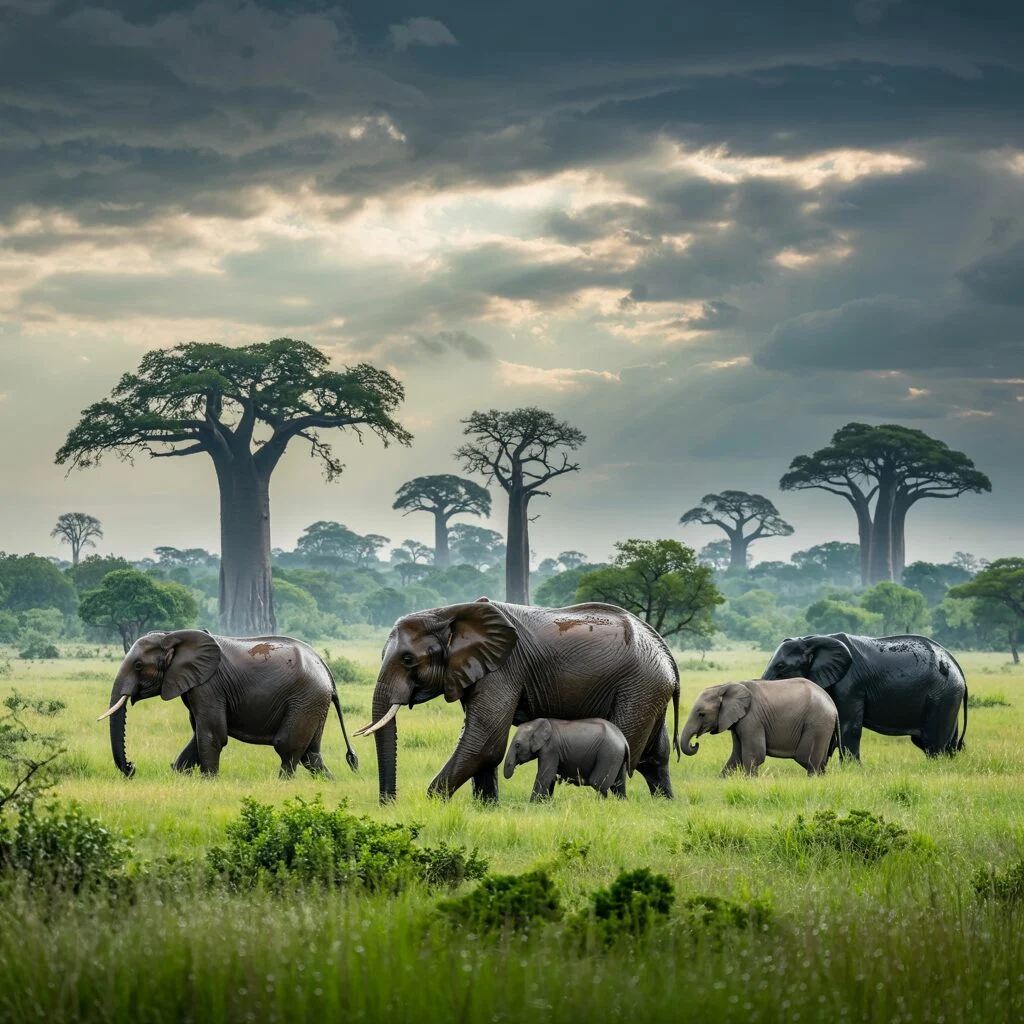
- Baby animals: Many species give birth during the green season – zebra foals, elephant calves, and antelope young are common sights.
- Predator activity: Lions and leopards are active but harder to spot in dense vegetation.
Where to Safari in the Rainy Season
Mana Pools National Park and Matusadona are best avoided during peak rains due to flooding. Hwange National Park remains accessible with some road closures. The Eastern Highlands are beautiful and green with waterfalls at their best.
Malaria Risk in Zimbabwe November-April
Malaria risk is significantly higher during Zimbabwe’s rainy season. Stagnant water from rainfall creates ideal breeding conditions for Anopheles mosquitoes. Risk is highest in low-lying areas including Harare surroundings, Hwange, Mana Pools, and the Zambezi Valley.
The Eastern Highlands (Nyanga, Chimanimani) at higher altitude carry lower malaria risk year-round.
Malaria Prevention Checklist
- Consult a travel doctor 4-6 weeks before departure for antimalarial prescription
- Common prophylaxis: Atovaquone-proguanil (Malarone), Doxycycline, or Mefloquine
- Use DEET-based mosquito repellent (30-50% concentration)
- Sleep under mosquito nets (impregnated with permethrin)
- Wear long-sleeved clothing after sunset
- Stay in accommodation with screens or air-conditioning
- Seek medical attention immediately if fever develops within 3 months of travel
What to Pack for Zimbabwe Rainy Season Travel
Packing smart for Zimbabwe’s wet season makes the difference between a miserable soggy trip and a comfortable adventure:
- Waterproof rain jacket – essential for Victoria Falls spray and afternoon showers
- Quick-dry clothing – lightweight fabrics that dry fast after rain
- Waterproof bag covers or dry bags for camera equipment
- Insect repellent (DEET 30-50%) – bring from home as quality varies locally
- Antimalarial medication – obtain before departure
- Sandals and trail shoes – muddy paths are common
- Sun protection – UV is intense even on cloudy days
- Binoculars – birdwatching season is excellent
Zimbabwe eVisa for Rainy Season Travel 2026
Whether you travel in the rainy or dry season, all eligible nationalities must obtain a Zimbabwe eVisa before arrival. The online application process is straightforward and takes 5-10 business days for approval.
Apply at least 2 weeks before your travel date to allow processing time. During the holiday period (December-January), application volumes increase and processing may take slightly longer.
The Zimbabwe eVisa costs USD 30 (single entry) or USD 55 (double entry/KAZA) depending on your itinerary. Visas are issued for stays up to 30 days, extendable in-country.
Apply online via the official Zimbabwe eVisa application – avoid third-party services that charge additional fees.
Pros and Cons of Zimbabwe Rainy Season Travel
The rainy season is genuinely underrated by most travelers. Here is an honest assessment:
Advantages of Rainy Season Travel
- Victoria Falls at maximum, most spectacular flow Feb-April
- Prices 20-40% lower than peak dry season
- Far fewer tourists – exclusive experiences at major sites
- Lush green landscapes – stunning photography
- Exceptional birdwatching with migratory species
- Baby animals – wildlife births peak in wet season
Disadvantages of Rainy Season Travel
- Harder game viewing – thick vegetation reduces visibility
- Higher malaria risk – prophylaxis essential
- Some roads and camps close due to flooding
- Devil’s Pool at Victoria Falls is closed
- Heat and humidity can be uncomfortable
Frequently Asked Questions – Zimbabwe Rainy Season Travel
When is Zimbabwe rainy season in 2026?
Zimbabwe rainy season runs from mid-November 2025 to April 2026. Peak rainfall occurs December-February. April sees tapering rains and cooler, pleasant temperatures around 22-28C.
Is it safe to travel to Zimbabwe during the rainy season?
Yes, Zimbabwe is safe to visit during the rainy season with proper preparation. The main health risk is malaria – take antimalarial prophylaxis and use mosquito protection. Some remote roads may flood, so check road conditions in advance.
Is Victoria Falls better in the rainy or dry season?
Victoria Falls is most powerful and spectacular February-April during the rainy season. The dry season offers clearer views with less spray. Both seasons provide an unforgettable experience.
Do I need malaria tablets for Zimbabwe in the rainy season?
Yes, antimalarial prophylaxis is strongly recommended for Zimbabwe rainy season travel. Consult a travel doctor at least 4-6 weeks before departure. Malarone, Doxycycline, and Mefloquine are commonly prescribed options.
Is wildlife viewing good in Zimbabwe during the rainy season?
Wildlife viewing is more challenging due to thick vegetation. However, birdwatching is exceptional with 650+ species active, and many mammals give birth during this period.
Do I need a visa for Zimbabwe in the rainy season?
Yes, most nationalities require a Zimbabwe eVisa regardless of travel season. Apply online at least 2 weeks before travel. The eVisa costs USD 30 (single entry).
What are the cheapest months to visit Zimbabwe?
January and February are the cheapest months – prices at lodges can be 30-40% lower than peak season. These months also offer the most spectacular Victoria Falls experience.