
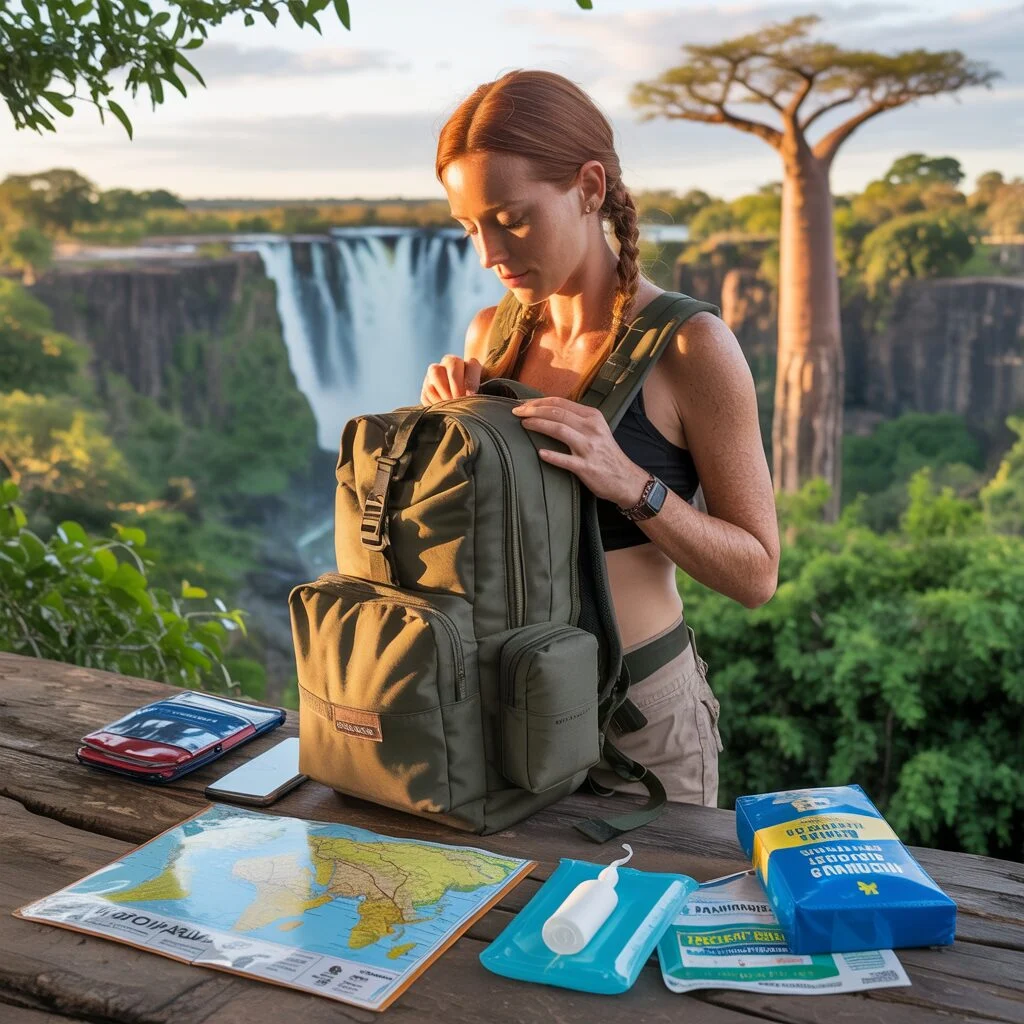
Zimbabwe Health Requirements 2026 – What Every Traveler Must Know
Zimbabwe requires a yellow fever vaccination certificate only if you are arriving from a country with active yellow fever transmission risk. No COVID-19 vaccination or testing is required as of 2026. However, all travelers should prepare for malaria, get recommended vaccines, and pack a proper medical kit – Zimbabwe’s healthcare infrastructure is limited and most serious emergencies require evacuation to South Africa.
Required vs Recommended Vaccinations for Zimbabwe 2026
Understanding which vaccines are mandatory for entry and which are strongly advised can save you from being turned away at the border or falling seriously ill during your trip.
Required: Yellow Fever Certificate
Zimbabwe requires proof of yellow fever vaccination if you are arriving from or transiting through a country on the yellow fever risk list. This applies to travelers aged 9 months and older, including those with airport transits of more than 12 hours. The yellow fever certificate must be issued at least 10 days before arrival and is valid for life.
Countries requiring YF certificate before entry to Zimbabwe: most of Sub-Saharan Africa, South America (Brazil, Peru, Colombia), and parts of Central Africa. Always check the current CDC or WHO yellow fever country list before travel.
If you are traveling directly from Europe, North America, or Australia, the yellow fever vaccine is not required for Zimbabwe entry but is still highly recommended if your trip includes other African countries.
Strongly Recommended Vaccines for Zimbabwe
The CDC and WHO recommend the following vaccines for all travelers to Zimbabwe in 2026:
- Hepatitis A – transmitted through contaminated food and water; high risk in Zimbabwe
- Typhoid – especially important if visiting rural areas or eating local food
- Hepatitis B – recommended for stays over 4 weeks or any medical procedures
- Rabies – strongly recommended for wildlife parks, safari, and rural travel
- Tetanus/Diphtheria/Polio (Td/Tdap) – ensure routine vaccines are up to date
- Meningococcal – recommended for extended stays and close community contact
Optional but Advisable Vaccines
- Cholera – risk exists in some areas; relevant for humanitarian workers
- Influenza – recommended for elderly travelers and those with chronic conditions
Malaria Prevention in Zimbabwe 2026
Malaria is one of the highest health risks for Zimbabwe travelers. The entire country is considered a malaria zone, with peak transmission from November to June (rainy season). The Zambezi Valley – including the Victoria Falls area – carries year-round high risk.
Who Needs Malaria Tablets for Zimbabwe
Every traveler visiting Zimbabwe should discuss malaria prophylaxis with a travel health doctor, regardless of season. The risk is lower in urban Harare and Bulawayo but significant in national parks, rural areas, and the Zambezi Valley. Do not rely on “low season” as a reason to skip prophylaxis.
Which Antimalarials to Take
The three most commonly prescribed antimalarial medications for Zimbabwe are:
- Atovaquone/Proguanil (Malarone) – start 1-2 days before, continue 7 days after; fewest side effects
- Doxycycline – start 1-2 days before, continue 4 weeks after; low cost but sun sensitivity
- Mefloquine (Lariam) – weekly dose; start 2 weeks before; not suitable for everyone
Your doctor will prescribe the right option based on your itinerary, health history, and travel duration. Always complete the full course after leaving Zimbabwe.
Non-Drug Malaria Prevention
In addition to tablets, use these protective measures every evening and night:
- DEET-based insect repellent (30-50% concentration) on all exposed skin
- Long-sleeved shirts and long trousers after sunset
- Sleep under a permethrin-treated mosquito net
- Stay in accommodations with screens or air conditioning
Safari Medical Kit – What to Pack for Zimbabwe
Zimbabwe’s national parks and safari lodges are remote. The nearest clinic may be hours away. A well-stocked medical kit is not optional – it is essential survival equipment.
Zimbabwe Safari Medical Kit Checklist
- Antimalarial tablets (full prescribed course)
- Oral rehydration sachets (5-10 sachets for diarrhea/heat exhaustion)
- Broad-spectrum antibiotics (ciprofloxacin or azithromycin – get prescription before travel)
- Antiseptic wipes and wound dressing
- Antihistamine tablets and cream (insect bites, allergies)
- High-SPF sunscreen (SPF 50+)
- Water purification tablets (iodine or chlorine-based)
- Digital thermometer
- Tweezers (thorns, ticks)
- Prescription medications (2x your expected need)
- Paracetamol and ibuprofen
Water and Food Safety in Zimbabwe
Tap water in Zimbabwe is not safe to drink, even in major cities. Waterborne diseases including cholera, typhoid, and dysentery are present. These simple rules will protect you throughout your trip.
Water Safety Rules
- Drink bottled water only – check the seal is unbroken
- Use bottled or purified water for brushing teeth
- Avoid ice unless you are certain it was made from purified water
- Boil tap water for at least 1 minute if bottled water is unavailable
- Water purification tablets as backup (pack them in your medical kit)
Food Safety Guidelines
- Eat at reputable restaurants and safari lodges
- Avoid raw produce that cannot be peeled
- Peel all fruit yourself before eating
- Avoid street food, especially meat and dairy products
- Stick to cooked food served piping hot
Pre-Trip Medical Checklist – Visit Your Doctor 6-8 Weeks Before Zimbabwe
Most vaccines require multiple doses or need weeks to reach full effectiveness. Book your travel health consultation 6-8 weeks before departure – not the week before your flight.
What to Discuss at Your Travel Health Appointment
- Review all required and recommended vaccines; get boosters if needed
- Get malaria prophylaxis prescription for your specific itinerary
- Request antibiotic prescription for traveler’s diarrhea (ciprofloxacin)
- Dental checkup – Zimbabwe has virtually no dental care for travelers; treat cavities before departure
- Eye checkup – dust and sun exposure are intense on safari; bring prescription spares
- Review all chronic medications – ensure you have enough supply plus extras
- Check travel insurance covers medical evacuation (up to $500,000 recommended)
Health Insurance and Medical Evacuation for Zimbabwe
Zimbabwe’s public healthcare system is severely under-resourced. Private clinics exist in Harare and Bulawayo but supplies are often limited. For any serious medical emergency – cardiac event, severe injury, meningitis – you will be evacuated to South Africa by air ambulance. This evacuation costs $10,000-$50,000 without insurance.
Minimum recommended coverage: $500,000 medical evacuation, $100,000 emergency medical treatment. Companies like World Nomads, SafeTravel, and ISOS are widely used by Zimbabwe travelers.
If you are applying for a Zimbabwe eVisa, ensure your travel insurance documents are prepared – some lodges require proof of insurance at check-in.
Zimbabwe Health Requirements FAQ 2026
Is yellow fever vaccine required to enter Zimbabwe?
Yellow fever vaccination is required only if you are arriving from a country with yellow fever transmission risk. Travelers coming directly from Europe, North America, or Australia do not need a yellow fever certificate to enter Zimbabwe.
Do I need malaria tablets for Zimbabwe?
Yes. Malaria prevention is strongly recommended for all travelers to Zimbabwe. The entire country is a malaria zone, with highest risk in the Zambezi Valley (including Victoria Falls) and during the rainy season from November to June.
Is tap water safe to drink in Zimbabwe?
No. Tap water in Zimbabwe is not safe to drink. Always use bottled, boiled, or purified water, including for brushing teeth. Avoid ice unless made from purified water.
What vaccines do I need for Zimbabwe in 2026?
For Zimbabwe 2026, the CDC recommends: Hepatitis A, Typhoid, Hepatitis B, Rabies (especially for safari), and ensuring routine vaccines are up to date (Tetanus, MMR, Polio). Yellow fever is required only if traveling from a YF-risk country.
Are there any COVID-19 entry requirements for Zimbabwe in 2026?
No. Zimbabwe removed all COVID-19 entry requirements. No vaccination proof, PCR test, or health declaration related to COVID-19 is needed to enter Zimbabwe in 2026.
How good is healthcare in Zimbabwe?
Healthcare in Zimbabwe is limited. Public hospitals lack equipment and medications. Private clinics exist in Harare and Bulawayo. For serious emergencies, patients are evacuated to South Africa. Travel insurance with medical evacuation coverage is essential.
When should I visit a doctor before traveling to Zimbabwe?
Visit a travel health clinic 6-8 weeks before departure. This allows time for multi-dose vaccines and lets antimalarials reach effectiveness. Last-minute appointments (1-2 weeks before) may not provide full protection.
Is rabies a risk in Zimbabwe?
Yes. Rabies is present in Zimbabwe and is carried by dogs, bats, monkeys, and other wildlife. The rabies vaccine is strongly recommended for safari travelers, wildlife volunteers, and anyone spending significant time outdoors or in rural areas.
Before your trip, make sure you also check the Zimbabwe eVisa requirements and Zimbabwe entry requirements 2026 to ensure your travel documents are in order.